This Day in Music
January 11th

Another multi-disc album from the Midwest, new bands from Liverpool and Hereford (where “hurricanes never happen”) make a splash, and Elvis makes his fourth movie in Los Angeles. Also, a rare article of breaking news, all on this day in music.
Breaking News
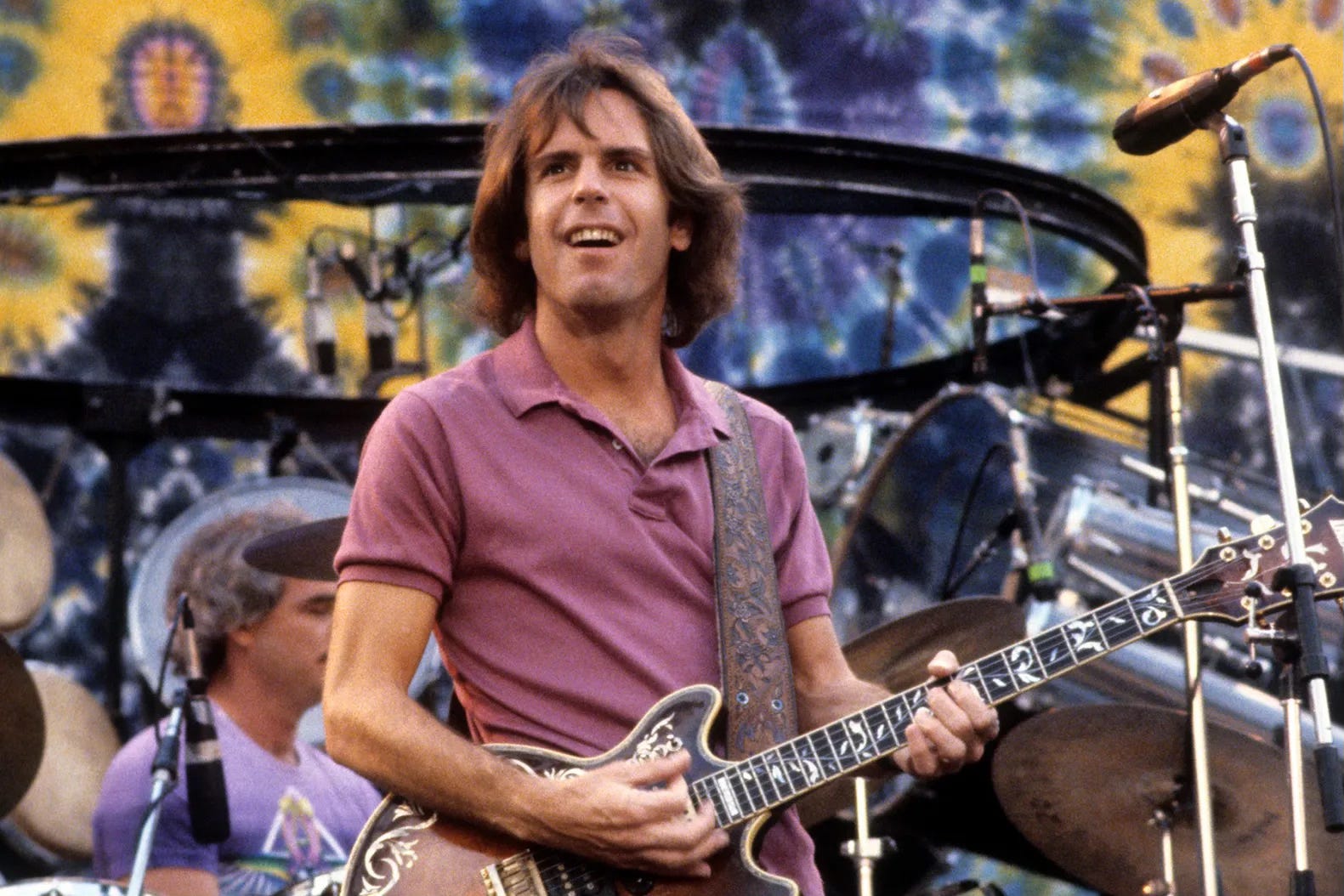
2026: Late last night it was reported on the official website of songwriter and guitarist Bob Weir that he had died in the Bay Area of California, where he was born and lived most of his life. Weir was diagnosed in July, 2025 with an undisclosed strain of cancer. Though he won that particular battle, he died of underlying lung complications. He was 78 years old.
Most famous as a founding member of the San Francisco blues and psychedelic band, Grateful Dead, Weir met co-founder Jerry Garcia in 1963, and the pair founded their first band, Mother McCree’s Uptown Jug Champions. The band would evolve into The Warlocks, and finally, Grateful Dead in 1965.
Bob combined jazz, folk, and rock influences into his eclectic rhythm style, which became the perfect compliment to Garcia’s lead guitar and solos. Many of the band’s most famous tracks were written by Weir, including “Sugar Magnolia” and “Truckin’.” He appears on every official release from Grateful Dead’s catalog.
In 1995, after the death of Garcia, Weir became the standard-bearer for the band and its legacy, continuing to perform Dead music along with new originals as a solo artist, and with his band, RatDog. In 2015, he founded Dead & Company, which was the moniker used for a final performance of all living past members of Grateful Dead, augmented by Phish’s Trey Anastasio on lead guitar and long-time Grateful Dead live-performance collaborator, Bruce Hornsby on keyboards.
RIP to one of the legends of the greater Rock and Roll genre, who leaves behind a wealth of great music to explore. Everyone should listen to the great Grateful Dead albums today, including “Aoxomoxoa,” “Live/Dead,” “Grateful Dead (skull and roses)”, “American Beauty,” “Blues for Allah,” “Terrapin Station,” “Shakedown Street,” “Europe ‘72,” and their psychedelic-blues eponymous debut.
Releases
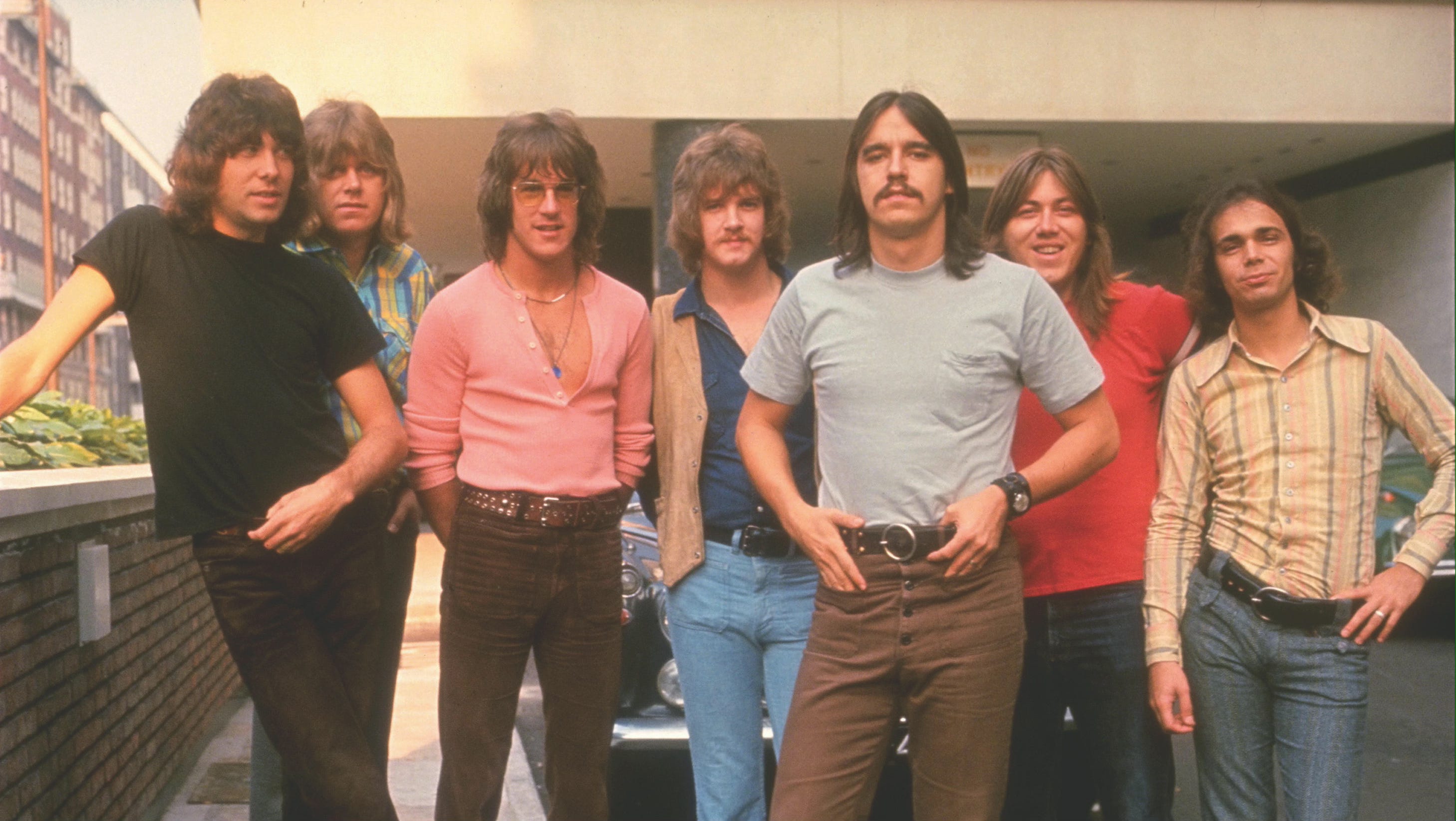
1971: The third album by Chicago, titled “Chicago III,” is released. It is the band’s third consecutive double-album. From this point forward, the band would title all their albums by the roman numeral corresponding to the sequential release, with the exceptions of “Chicago at Carnegie Hall,” “Hot Streets,” “Twenty 1,” and “Night and Day: Big Band.” The band also began adding post-colon sub-titles to the numerals with the release of “Chicago XXV: The Christmas Album.”
Back to “Chicago III,” the album was comprised of single songs and multi-song suites, similar to the band’s approach on their second album, “Chicago.” It introduced some new stylistic influences from folk and country music, along with free improvisations similar to their first album, “The Chicago Transit Authority,” and even musique concrète on the song “Progress?” from the Side 4 suite, “Elegy.” (More on musique concrète in May, when Frank Zappa’s “Lumpy Gravy” is discussed.)
The album packaging made a statement about the ongoing Vietnam War, with the lyrics to “When All the Laughter Dies in Sorrow” by English-American writer Kendrew Lascelles, the first song on Side 4 and first part of “Elegy,” printed on the inside gatefold of the cover, rather than with the lyric sheets. Robert Lamm recites the poem as part of the track. The cover itself is a representation of a torn American flag, titled “Tattered Flag.” Additionally, a poster of the band dressed in U.S. Army uniforms from various wars was included with the album.
Rated 4/5 Stars by AllMusic, the album was a critical and commercial success. It peaked at No. 2 on the Billboard 200, and was a Top-10 in Canada, UK, Italy, and Norway. The LP has been certified Gold in Canada and Platinum in the US.
1980: The debut album from British-American post-punk/new wave band Pretenders is released to mixed reviews, but commercial success. Melody Maker raved about the band, while New Musical Express criticized their lack of innovation. Retrospective reviews however indicate universal praise, with all major music journals rating it at their highest marks.
Including the singles “Stop Your Sobbing,” a cover of the The Kink’s tune, “Brass in Pocket,” “Precious,” and “Kid,” the album reached No. 1 on the UK Albums chart, No. 9 on the Billboard 200, and Top-10 in Australia and New Zealand. Though not released as a single, the record also features “Mystery Achievement,” which would be an enduring favourite among fans.
The LP is certified Platinum in the US, Gold in the UK, Platinum in Australia, and Gold in New Zealand. It has sold nearly 1.2 million copies worldwide.
1971: American singer-songwriter Janis Joplin releases her second solo studio album, and fourth album overall, "Pearl." It was a posthumous release as Joplin died in October, 1970 at only 27 years old.
“Pearl” was the only album recorded with her final touring group, The Full Tilt Boogie Band, considered to be the best of the three groups that had supporter her.
Some of Joplin's most famous songs appear on the album, including "Cry, Baby" "Mercedes Benz," and the definitive cover of Kris Kristofferson's "Me and Bobby McGee," on which The Full Tilt Boogie Band does indeed boogie at full tilt.
The LP reached No. 1 on the Billboard 200, No. 1 on the Canada Top Albums chart, and was certified 4x Platinum in both the US and Canada.
1963: A little-known band from Liverpool, England named The Beatles, release the song, “Please Please Me,” the second single from their debut album of the same name. The record was hugely successful, peaking at No. 3 on the Billboard Hot 100, No. 2 on the UK Singles chart, and No. 5 on the Canada Singles chart, but the band was scarcely heard from again.
1980: Tom Petty and the Heartbreakers release the song "Refugee," the second single from their third studio album, "Damn the Torpedoes." Co-written with band member Mike Campbell, it's one of Petty's most famous and successful songs. It peaked at No. 15 on the Billboard Hot 100 and was No. 2 in Canada.
The Daily Elvis
1958: On a train trip from Memphis to Los Angeles for production of the movie King Creole, Elvis had a stopover in Fort Worth, Texas, where he gave a rare interview at the station. He famously quipped that he didn’t have any problem with the Army cutting off his sideburns because they would grow back.
Picture 1: Bob Weir jamming with the Dead in 1981.
Picture 2: Chicago in 1971. From L to R: David Lamm (key), Peter Cetera (bg), James Pankow (tb), Lee Loughnane (t), Walter Parazaider (sax), Terry Kath (g), and Danny Seraphine (d).
Note: “In Hertford, Hereford, and Hampshire, hurricanes hardly ever happen,” was one of the diction exercises assigned to Eliza Dolittle by Prof. Harris in My Fair Lady. Hence the reference to “hurricanes” following the mention of Hereford in the introduction to today’s blog. :)