This Day in Music
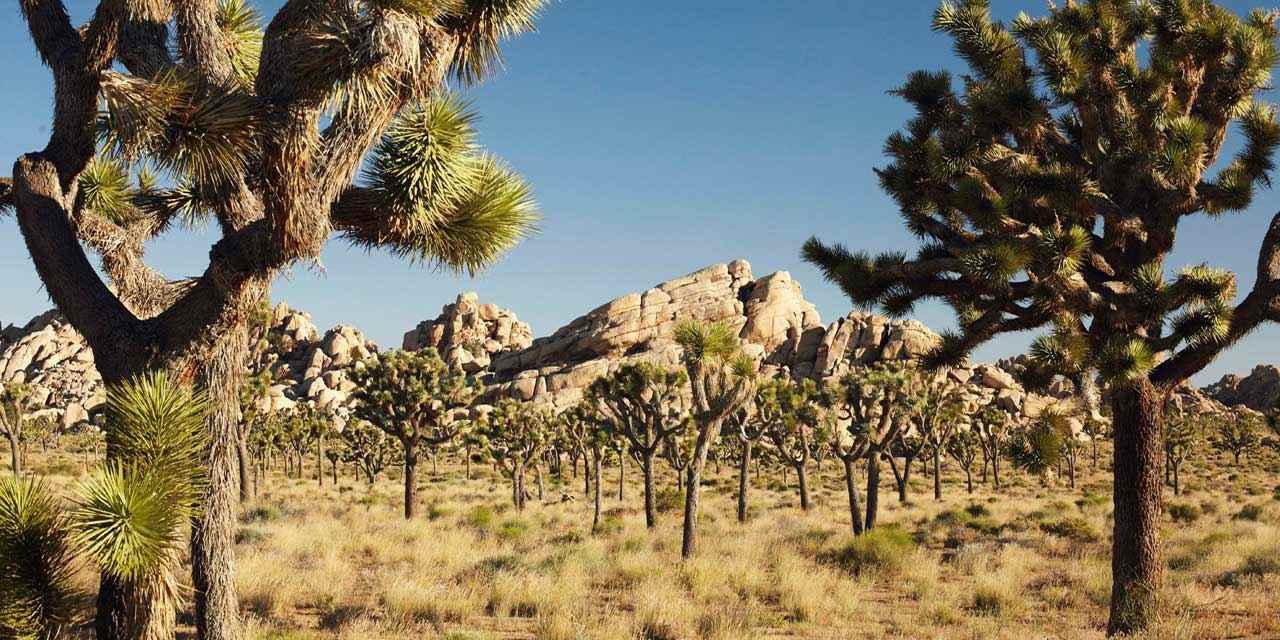
A small tree from the sub-desert of California, eight virtuosos make a jazz noise here, and Sgt. Elvis, on this day in music.

Releases
1987: Irish rockers U2 release their fifth studio album, “The Joshua Tree.” Produced by Daniel Lanois and Brian Eno, the same duo that helped the band reach No. 1 with their fourth album, “The Unforgettable Fire,” the formula worked even better the second time.
“The Joshua Tree” received universal critical acclaim and achieved worldwide commercial success. AllMusic compiled a rating of 5-Stars, Entertainment Weekly graded it A, and Rolling Stone published, “For a band that's always specialized in inspirational, larger-than-life gestures...The Joshua Tree could be the big one.”
They were right! The album reached No. 1 on the Billboard 200, No. 1 on the U.K. Albums chart, No. 1 on the Canada RPM Albums list, and Top-5 in 12 more countries. Certifications were massive: Diamond in the U.S., Diamond in Canada, 10x Platinum in the U.K., plus Platinum or Gold awards in 17 other markets. With an estimated 25 million copies sold, it is No. 46 on the list of highest-selling albums of all time.
1959: Legendary American trumpeter, bandleader, and composer Miles Davis releases his 34th album, “Porgy and Bess.”
A collection of songs taken from George Gershwin's 1935 opera of the same name, co-arranged for a jazz audience by Davis and Gil Evans, plus one Evans composition, “Gone,” it is universally praised by critics and beloved by fans. Though there are lyrics to “Porgy and Bess,” written by Ira Gershwin with libretto from DuBose Heyward, the album is instrumental.
A jazz orchestra of 21 musicians performs on the record, conducted by Evans, and features some legendary talents, including Philly Jo Jones (d), Jimmy Cobb (d), Paul Chambers (b), Cannonball Adderley (as), and Davis himself (t & fh). Jones and Cobb play on separate tracks; it's not a double-drumset album.
The second in a number of collaborations between Davis and Evans, it's one of Davis's highest-selling records and widely recognized as a landmark in orchestral jazz. The LP is rated 4/4 in The Penguin Guide to Jazz and certified Silver in the U.K. It has sold an estimated 238,000 units in the U.S.
People
1930: Remembering legendary jazz saxophonist, trumpeter, violinist, and composer, Randolph Denard Ornette Coleman, known simply as Ornette Coleman, who was born on this day in Fort Worth, TX.
Coleman founded the “free jazz” movement. The term was taken from the title of his own 1961 album, “Free Jazz: A Collective Improvisation,” which featured eight jazz cats divided into two complete quartets playing together on one continuous improvisation per LP side, all recorded live from the floor with no edits or overdubs. In the left channel of the stereo mix are Ornette (as), Don Cherry (B♭t), Scott LaFaro (b), and Billy Higgins (d); and in the right channel are Eric Dolphy (bcl), Freddy Hubbard (t), Charlie Haden (bg), and Ed Blackwell (d).
That avant-garde jazz odyssey was not for everyone, as Thom Jurek wrote for AllMusic in 2018, “...now celebrated as a fearless innovator and a genius, he was initially regarded by peers and critics as rebellious, disruptive, and even a fraud.”
Coleman made 25 studio albums and 16 live albums between 1958 and 1996. He performed as a sideman on another 16, including with Lou Reed and Yoko Ono. He died in 2015 at 85 years old.
The Monday Miles
1950: The final recording session for “Birth of the Cool” is held by Miles Davis at WOR Studio in New York. The tracks “Deception,” “Rocker,” “Moon Dreams,” and “Darn That Dream” are laid down.
1958: At Van Gelder Studios in New Jersey, Miles Davis records for Cannonball Adderley’s seminal album, “Somethin’ Else,” released in August of 1958.
The Daily Elvis
1960: Elvis releases his first jazz record...no, just kidding. The movie Jailhouse Rock was re-released in honour of Sgt. Presley's return from service in the U.S. Army.
Pictured: Joshua Tree National Park.