This Day in Music
Three great albums from three great decades, and Elvis records another movie song, all on this day in music.

Releases
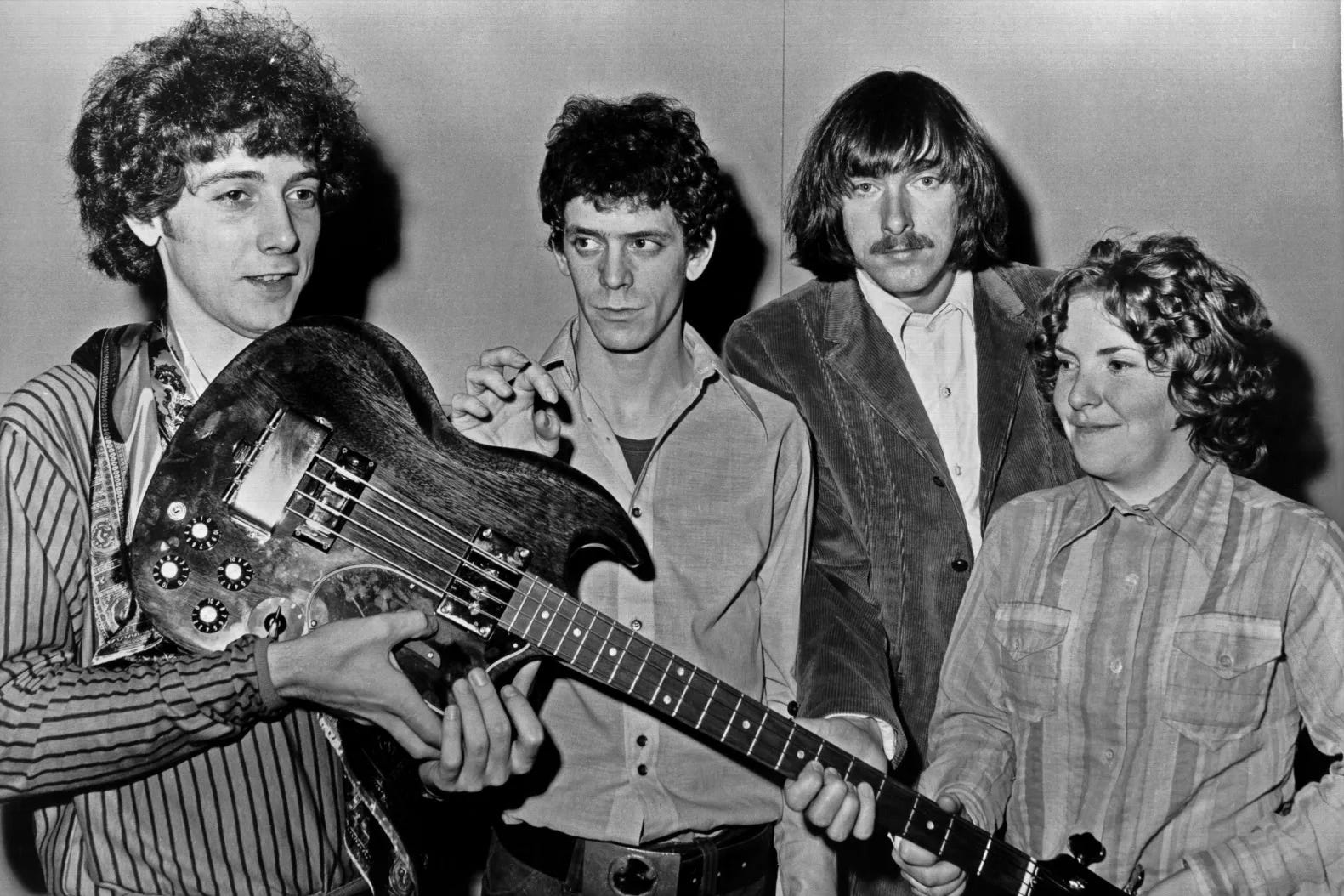
1969: American avant-garde rock band The Velvet Underground decamps from Union Square in New York to Hollywood in Los Angeles, for the release of their third studio album, “The Velvet Underground,” recorded at TTG Studios.
The third album also marked the third lineup of the band, with multi-instrumentalist Doug Yule replacing co-founder John Cale, who was fired from the group. This followed the firing of Andy Warhol as producer before the recording of the second album, “White Light/White Heat.” The lineup would change yet again for the fourth album, “Loaded,” as drummer Maureen Tucker took maternity leave.
The lineup would change once more for the fifth and final album, “Squeeze,” which followed the departure of Lou Reed. However, despite the name, is it really a VU album without any original members or songs written by Reed?
“The Velvet Underground” additionally reflected an intentional change of sound and style from “White Light/White Heat,” which Lou Reed found too abrasive due to its rushed recording time. The result is a more restrained record, with a little folk and pop mixed into the rock, along with themes of love and religion, most notably on the songs, “Pale Blue Eyes” and “Beginning to See the Light,” but also occurring throughout the work. It still retains some edge and experimentation however, as demonstrated on the tracks, “What Goes On” and “The Murder Mystery.”
Contemporary reviews were mixed, with Record Mirror assigning it just 3-Stars, but Robert Christgau of the Village Voice grading it an A. Retrospective reviews, however, give the album its due, now being universally acclaimed in recognition of its subtlety, and scoring 98/100 on MetaCritic, not an uncommon journey for an album that is a clear change in direction for a band.
The LP also has a strong legacy. It ranks No. 282 on Colin Larkin's All Time Top 1000 Albums (c) 2000, No. 314 on Rolling Stone's 500 Greatest Albums of All Time (c) 2003, and No. 12 on Pitchfork's 200 Best Albums of the 1960's, just ahead of “Electric Ladyland” by Jimi Hendrix. Finally, it is included in Robert Dimery's book, 1001 Albums You Must Hear Before You Die (c) 2018. It's a great album!
1975: David Bowie releases his ninth studio album, “Young Americans.” As Bowie is wont to do, he again changed his image and style of music, leaving the glam-rock world behind and producing his version of an R&B record. Ever in search of pretentious labels, many critics described the music as “blue-eyed soul.”
With long-time collaborator Tony Visconti co-producing, and recording taking place in the home of soul at Sigma Sound in Philadelphia, the album was made concurrent to Bowie's “Diamond Dogs” tour, going into the studio during time off and eventually playing the new material on later legs of the that tour.
Production moved to New York toward the end of 1974, where Bowie collaborated with John Lennon for a cover of The Beatles' “Across the Universe,” the second track on Side Two, and recorded the final song on the album, “Fame.”
Bowie's original concept for the cover was to commission artwork from Norman Rockwell, however he had to change tack when learning that Rockwell would need six months to complete the project. The ultimate decision was to use the classic back-lit, airbrushed picture of Bowie leaning forward with a lit cigarette, photographed by Eric Stephen Jacobs in Los Angeles.
The lead single was the title track, “Young Americans,” backed with “Suffragette City” from the “Ziggy Stardust” LP, and was a Top-40 hit.
Bowie promoted the album by making several TV appearances in America. On The Dick Cavett Show, he performed “Young Americans” live in the studio (see it here and yes, that's a young Luther Vandross in the blue suit on backing vocals), performed both “Fame” and “Can You Hear Me?” live on Cher's CBS-TV variety show, and was one of the first white artists invited to perform on ABC's Soul Train, where he sang “Fame,” and his new single, “Golden Years,” lip-synced at the show's insistence. “Golden Years” is not on “Young Americans,” but would appear on his next album, “Station to Station” (one of Bowie's best).
The record was met with tepid reviews from critics, with the harshest commentary from Robert Christgau of the Village Voice, declaring the record “…an almost total failure,” and assigning it a grade of C+. Christgau would however grade “Station to Station” an A, and it is not unreasonable to consider Station a better album than Americans, which despite Christgau’s opinion, is a good album.
As often is the case, fans had a much different opinion of the work, and it became Bowie's breakthrough LP in the U.S. It reached No. 9 on the Billboard 200 and was certified Gold in the U.S., the U.K., and Canada. “Fame” was Bowie's first No. 1 single in the U.S., peaking at the top of the Billboard Hot 100 and selling over one million copies.
1983: “The Hurting,” the debut album by English new wave band Tears for Fears, is released to critical acclaim. A concept album that explores themes of depression and psychological trauma, it became a huge success despite, or more likely because of, the dark subject matter. The sophisticated music and arrangements, and talented performances also contributed.
With the now-classic hit singles, “Pale Shelter,” “Mad World,” and “Change,” the album was a smash commercial success, going to No. 1 on the U.K. Albums chart, and No. 7 on the Canada RPM Albums list. It was certified Gold in the U.S., and Platinum in both Canada and the U.K.
With reviewers rating the album 5-Stars and 8 to 10 on a scale of 10, it was clear they understood Tears for Fears was a cut above the typical eighties band.
The Daily Elvis
1968: Elvis records “A Little Less Conversation” for the first time, at Western Recorders in Hollywood. It was the more-successful B-Side to the single, “Almost in Love.” The song was originally performed by Elvis in the 1968 movie Live a Little, Love a Little.
Pictured: The Velvet Underground in 1969. From L to R: Doug Yule (bg; key), Lou Reed (g; p; v), Maureen Tucker (d), Sterling Morrison (g; v).