This Day in Music
Michael Fitzgibbon
Small faces become regular faces, a legend goes to prison (sort of), and Elvis goes to jail (sort of), on this day in music.
At Folsom Prison
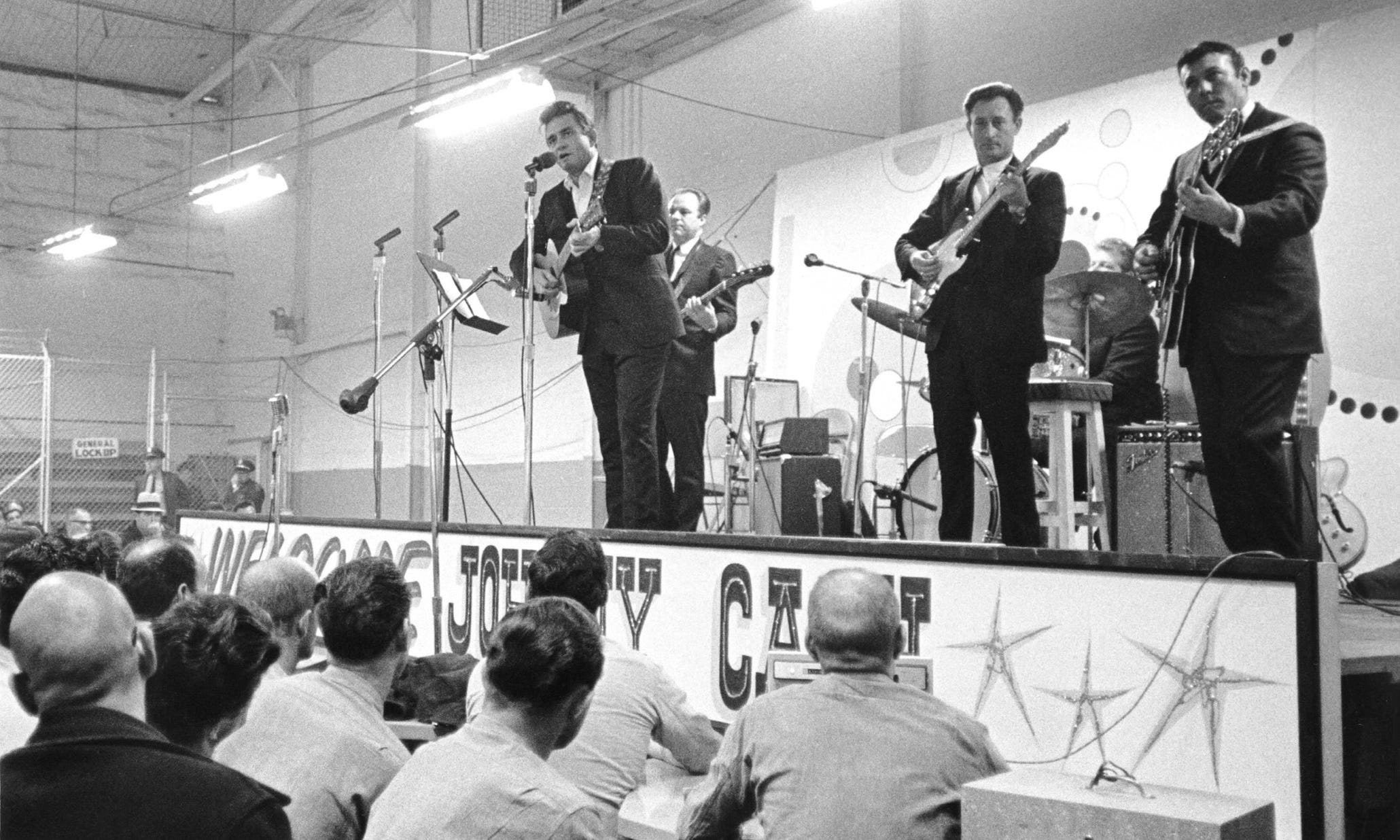
1968: Legendary American singer-songwriter Johnny Cash releases his first contemporary live album, “At Folsom Prison.”
By the late sixties, Cash was suffering from several years of declining commercial success, and having recently overcome his drug abuse, was looking to finally implement a long-simmering idea of performing and recording at a prison. With Columbia Records finally on board with the idea, and California's Folsom State Prison the ideal locale due to the famous Cash song named after the institution, the project was green-lit.
With wife June Carter appearing on two songs, and rockabilly great Carl Perkins opening up, then introducing The Man in Black and joining his performance, the concert was held on January 13, 1968 to the delight of the inmates in attendance.
California Governor and future President of the United States Ronald Reagan visited Cash and the band the night before to offer them his best wishes for a successful show.
The album was prepared in just four months and released with the new live version of “Folsom Prison Blues” as the lead single. The LP met with universal critical acclaim, receiving perfect scores in the ratings by various music magazines. It was also a massive commercial success. The single went straight to No. 1 on the country charts in both the U.S. and Canada, and the album itself reached No. 1 on the U.S. country chart, and No. 13 on the Billboard 200. It was certified Gold in the U.K., and Platinum in Canada and the U.S., selling nearly four million copies. Johnny Cash was back!
Interestingly, though Cash established a romantic image of an outlaw, despite legendary tales, he never served time in prison. He was however arrested seven times in his life on misdemeanor violations, and spent the occasional night in jail awaiting his bail hearing.
Cash would make three more live records recorded in prisons: San Quentin in 1969; På Österåker in Sweden in 1973; and Tennessee State Prison in 1974.
Small Faces
1966: London, England Rock and Roll quartet Small Faces release their debut studio album, “Small Faces.” The energetic collection of English R&B-influenced rock received universal critical acclaim.
The band would release six albums before frontman Steve Marriott departed to form Humble Pie. The remainder of the group was renamed Faces, with Rod Stewart joining on vocals and Ron Wood joining on guitar. As Faces, they would make an additional four LP's.
Stewart then departed for a massive solo career; Ronnie Wood joined The Rolling Stones; and drummer Kenny Jones would join The Who four years later. Ronnie Lane and Ian McLagan would always remain Faces. Ex-Sex Pistols bassist Glen Matlock would be part of the Faces reunion in 2010.
Zappa On and Off the Charts
1977: “Zappa in New York,” the legendary live album by Frank Zappa, appears on the U.K. charts for one week, before disappearing. The album was released and then pulled due to FZ's legal battle with distributor Warner Bros. The album would get its proper release in 1978 and peak at No. 57 on the Billboard 200.
Legendary Equipment
1965: In Clearwater, Florida while on tour, Keith Richards of The Rolling Stones purchases a Gibson Maestro FZ-1A Fuzz Box pedal, one of the first mass-produced effects pedals on the market. The device provides the perfect tone to an idea he had as an opening riff to a song that he and Mick Jagger would form into the classic, “(I Can’t Get No) Satisfaction.” They would record the song six days later in Hollywood, and the rest is history.
The Daily Elvis
1957: Elvis begins costume fittings, makeup tests, and dance rehearsals for his upcoming film shoot, Jailhouse Rock.