This Day in Music
A long list of album releases and Elvis holds a pot luck, on this busy day in music.

Album Releases
The Sixties
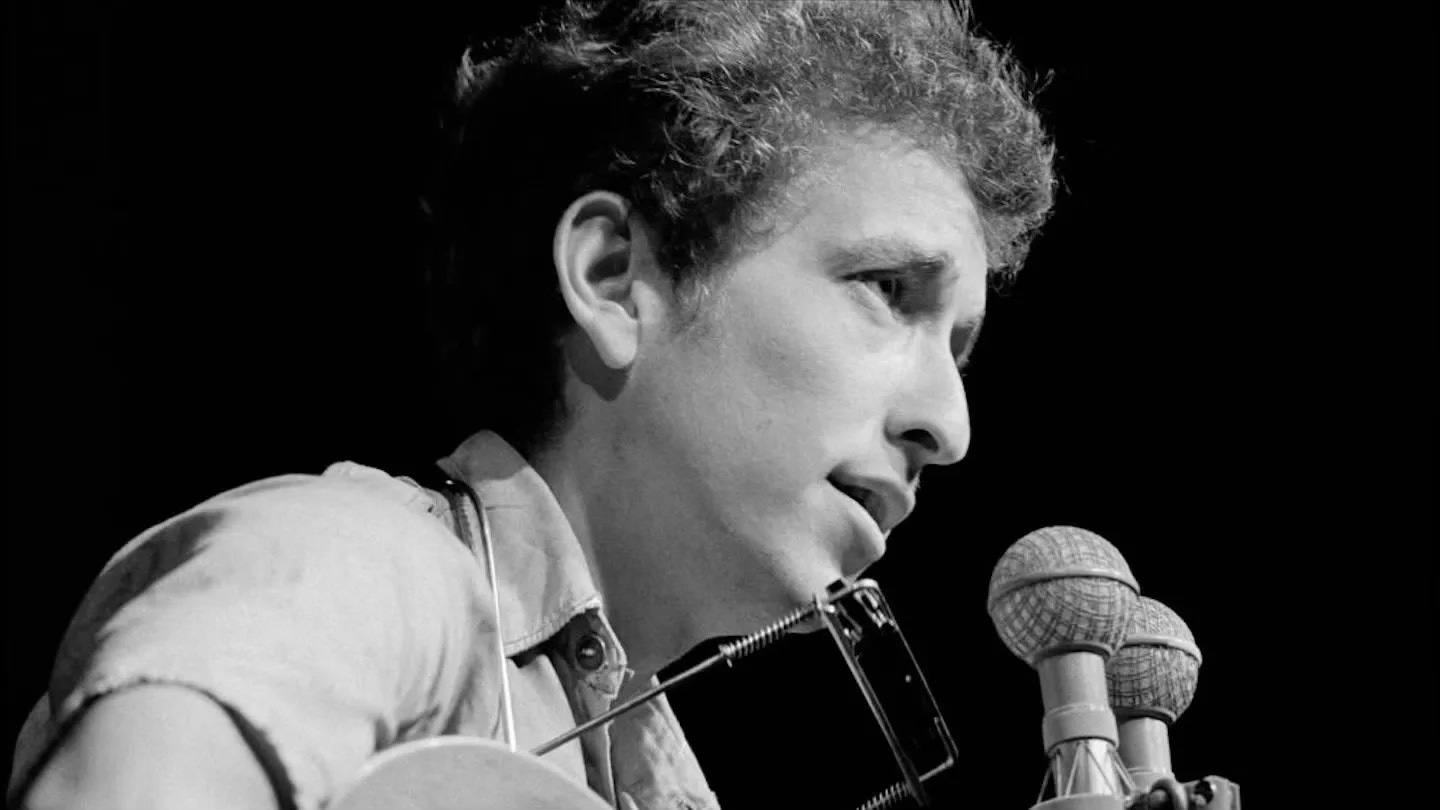
1962: Legendary American singer-songwriter and musician Bob Dylan releases his debut studio album, “Bob Dylan,” a history-making event in both the folk and rock music genres.
A collection of traditional folk songs arranged and performed entirely by Dylan with a guitar and harmonica, the album included two of his original compositions, “Talkin’ New York” and “Song to Woody,” an ode to Woody Guthrie, one of Dylan’s most significant influences. Some of the traditional song highlights include “In My Time of Dying,” “Man of Constant Sorrow,” “House of the Rising Sun,” and “Baby, Let Me Follow You Down.”
Producer John H. Hammond, a talent scout for Columbia Records who signed Dylan to the label, could not possibly have known that his discovery would still be recording for Columbia 64 years later, amassing 40 studio albums, 21 live records, and another 70 bootlegs and official compilations along the way to becoming the most legendary songwriter in folk-pop-rock history.
Despite being highly regarded by critics, the LP was not commercially successful upon its release, but did find a growing audience as Dylan’s popularity and subsequent album releases brought him fame and recognition.
For an entertaining and nostalgic presentation of Dylan’s life during those early recording years, from his debut to “Highway 61 Revisited,” see the excellent biopic A Complete Unknown starring Timothée Chalamet.
The Seventies
1971: Legendary Canadian singer-songwriter and musician Leonard Cohen releases his third studio album, “Songs of Love and Hate,” on Columbia Records, a label for which he recorded his entire career discography.
Produced by Bob Johnston, who had collaborated with Cohen on his previous record, “Songs from a Room,” it was recorded at Columbia Studio A in Nashville, with one track, “Sing Another Song, Boys,” recorded live at the Isle of Wight Festival on August 31, 1970.
As with most Cohen records, the collection of eight tracks all composed by himself received glowing reviews, including a 5-Star compilation from AllMusic and a grade of A- from Robert Christgau of the Village Voice. Not an album to brighten the spirits, Tim Nelson of BBC Music noted, “...the focus is more intense and the sequencing superb. Be warned though: this is one of the scariest albums of the last forty years...” What else could be said of an album about self-loathing, temptation to suicide, failing to achieve dreams, or learning of one’s lover’s infidelity with a close friend, as described in the song “Famous Blue Raincoat,” structured as a letter from Cohen to that friend?
Also typical for a Cohen release, the album was not commercially successful in North America, other than Canada, where it was certified Gold. It was more accepted in Europe, reaching No. 4 on the U.K. Albums chart, and going to No. 2 in Netherlands.
1971: “Aqualung,” the fourth studio LP from English prog-rock band Jethro Tull is released. Often cited as a concept album about the distinction between religion and god, the band has clarified it is not intended to be, and consider only a few of the songs to have a unifying subject.
Several tracks from the record earned regular rotation on FM radio, including “Aqualung,” “Crossed-Eyed Mary,” “Locomotive Breath,” and the hard-driving “Hymn 43,” with lyrics most literal to the work’s ostensible theme.
The popularity of the songs meant commercial success for the album. It peaked at No. 7 on the Billboard 200, No. 4 on the U.K. Albums list, and No. 5 in Canada. It was also Top-10 all across Europe and Australia on its way to 3x Platinum certification in the U.S., and Gold in Canada, U.K., and Australia.
As with the prior three albums, there is the definite influence of folk music in the Anglo-Saxon tradition running through the music. The band would eventually release three consecutive LP’s of folk-rock beginning with 1977’s “Songs from the Wood,” their 10th studio release, now known as their folk trilogy.
1976: The Doobie Brothers release their sixth studio album, “Takin’ It to the Streets.” Led by the hit title track, it peaked at No. 8 on the Billboard 200 but received tepid ratings from critics.
The Eighties
1982: Eclectic British composer Mike Oldfield releases his fifth studio record, “Five Miles Out.” Side One is entirely dedicated to the 24-minute opus, “Taurus II,” a “rock concerto” reminiscent of his earlier works “Ommadawn” and “Tubular Bells.”
The single “Five Miles Out” is a recounting of Oldfield’s harrowing flight from Barcelona to San Sebastián, during which an inexperienced pilot flew directly through a severe thunderstorm. It is a variation on the opening guitar theme from “Taurus II.”
The Nineties
1990: Depeche Mode release their seventh studio album, “Violator.” It was the second consecutive LP, after 1987’s “Music for the Masses,” to expand the group’s fanbase beyond the dance and electronica audience. It peaked at No. 7 on the Billboard 200 and sold nearly eight million copies worldwide.
Events
2009: Eric Clapton joins The Allman Brothers Band on stage at New York’s Beacon Theatre as part of the ABB’s 40th anniversary concerts. During the second set, they together played EC’s version of “Key to the Highway,” the ABB song “Dreams,” the Derek and The Dominos songs “Why Does Love Got to be So Sad” and with Susan Tedeschi on vocals, “Anyday,” “Little Wing” by Jimi Hendrix, and of course, as the final encore of the evening, the seminal Derek and The Dominos song that originally included Duane Allman, “Layla.” (Ed.: I was there! It was spectacular!!)
The Daily Elvis
1962: Spending the entire night inside RCA Studio B in Nashville, Elvis records seven songs, including “You’ll Be Gone,” for the album “Pot Luck,” which would be released on May 18th. It went to No. 1 on the U.K. Albums chart.
Pictured: Bob Dylan at The Newport Folk Festival in 1963.