This Day in Music
January 10th

Two legends of songwriting release albums, and a future legend records for the first time, on this day in music.
Releases
1983: Legendary Canadian singer-songwriter Neil Young releases his 12th studio album, “Trans.”
Critics and fans alike had come to expect either folk music or harder-edged rock from Neil Young, usually with Crazy Horse for the latter style. The electronic sound of “Trans,” influenced by Kraftwerk and making use of Synclavier and vocoder, confused listeners. The resulting reviews of the album were widely mixed, from AllMusic’s 2-star rating to The Village Voice’s A-.
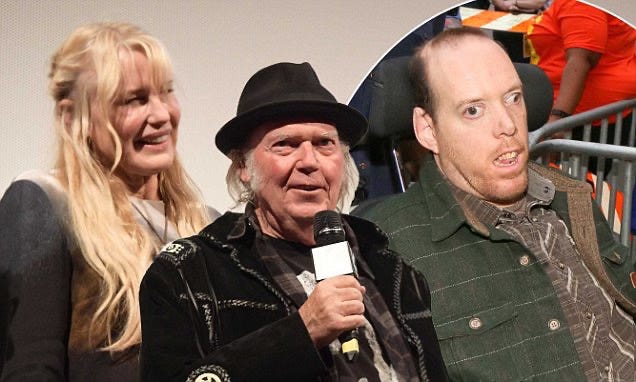
Young explained the use of technology, which was about learning to communicate with his son Ben, who suffers from cerebral palsy:
“If you listen to Trans, if you listen to the words to “Transformer Man” and “Computer Age” and “We R in Control,” you’ll hear a lot of references to my son and to people trying to live a life by pressing buttons, trying to control the things around them and talking with people who can’t talk, using computer voices and things like that. That’s what Trans is all about. And that’s why, on that record, you know I’m saying something but you can’t understand what it is. Well, that’s the exact same feeling I was getting from my son.”
Geffen Records, apparently staffed by sociopaths, sued Young on the grounds that “Trans” and his subsequent album, “Everybody’s Rocking,” a short album of rockabilly songs featuring studio band The Shocking Pinks, were not “commercial,” and “musically uncharacteristic of Young’s previous recordings.” The label was unhappy that Young didn’t sound like Young. Neil countersued and both cases were dropped within months. David Geffen then personally apologized to Neil.
Young’s next album with Geffen was “Old Ways,” an album of pure country music!
1989: Lou Reed, a legend in his own right, releases his 15th studio album, "New York."
With a stripped-down, basic rock and roll sound uncharacteristic for the late 80's, the poignant lyrics take center stage in an acerbic critique of popular culture figures, particularly those shaping his home town of New York: Rudy Giuliani, Donald Trump, Ed Koch, and The Statue of 'Bigotry.'
Often cited as among his best work and universally acclaimed by critics, the record was a revival of Lou Reed's career, which had been floundering throughout the decade. The single "Dirty Blvd." hit No. 1 on the newly-created Billboard Modern Rock Tracks chart, a rare feat for Lou. Other favourites from the 14-song, 57-minute opus include "Romeo Had Juliette," "Halloween Parade," "Xmas in February," "Dime Store Mystery," "Last Great American Whale," “Bus Load of Faith,” “Strawman,” and “Sick of You.”
The album itself peaked at No. 40 on the Billboard 200 and was certified Gold, but should have performed better because it’s a spectacular record.
The Daily Elvis
1956: Just barely 21 years old, Elvis enters RCA Victor studios in Nashville for his first-ever recording session. He would produce his first No. 1 hit, “Heartbreak Hotel,” along with the singles “I Got a Woman” and “Money Honey.”
Pictured: Neil Young with his son, Ben Young, and his wife, Darryl Hannah.