This Day in Music
Four horns, two Elvises, one night, and The Killer gets married, on this day in music.

Releases
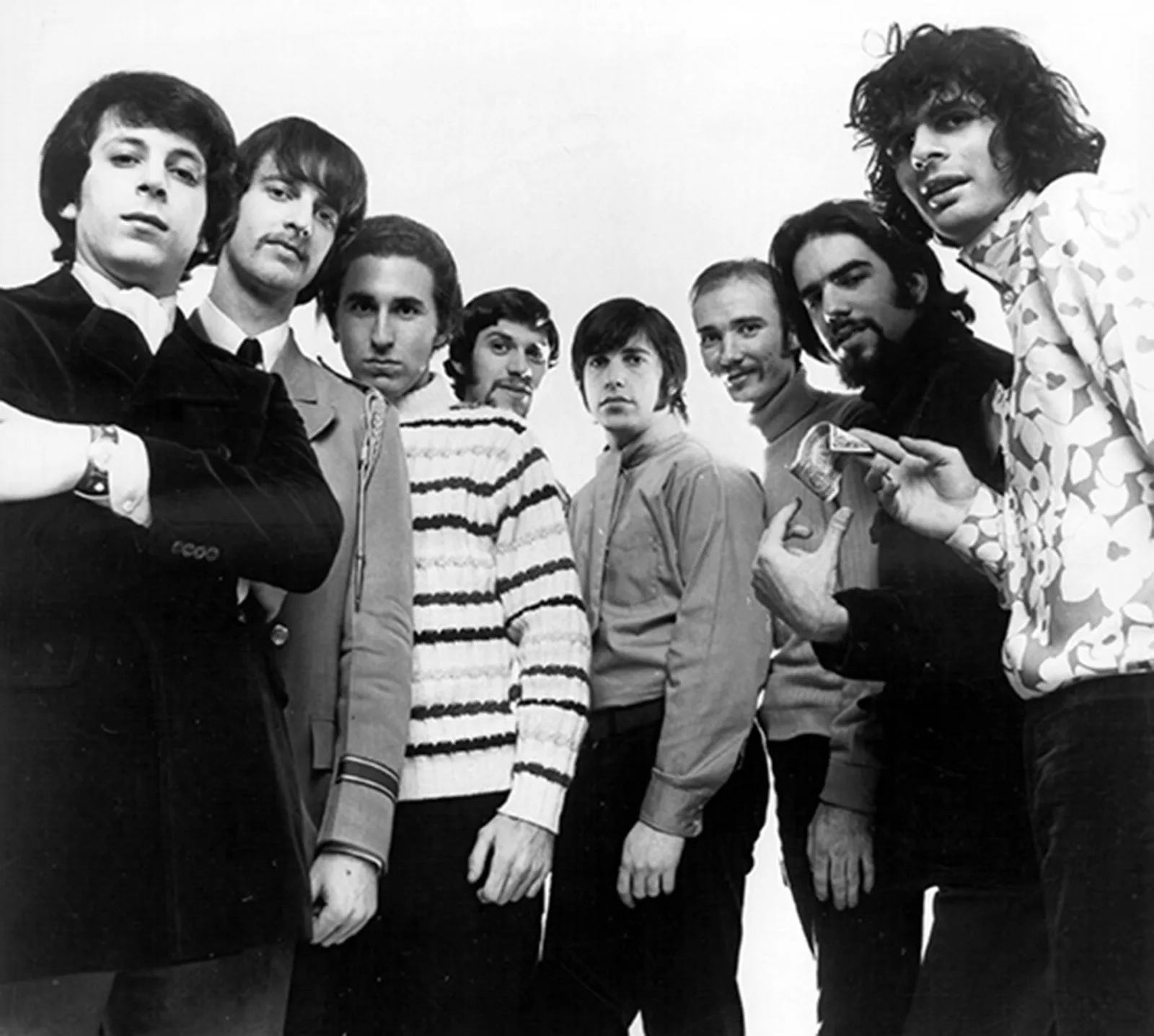
1968: "Child is Father to the Man," the debut studio album from American jazz-rock (not to be confused with fusion) band, Blood, Sweat & Tears, is released. The band was created on an idea by founding keyboardist and principal songwriter, Al Kooper, inspired by the music of jazz trumpeter Maynard Ferguson.
Reviews were succinct, but glowing: Rolling Stone ranked it “Positive,” while AllMusic compiled a 5-Star rating. Though its one single, "I Can't Quit Her," failed to chart, it did receive frequent radio play, along with a second track, "I Love You More Than You'll Ever Know," on FM radio.
It peaked at No. 47 on the Billboard 200. The record was breaking new ground, and created a legacy much stronger than its contemporary commercial sales, ranking No. 266 on Rolling Stone's 500 Greatest Albums of All Time, 2012 edition.
Al Kooper would leave the band shortly thereafter, replaced on vocals by Canadian David Clayton-Thomas, with band member Dick Halligan adding keyboards to his trombone and flute duties.
The original lineup featured many talented musicians who would have long careers in and out of BST in both jazz and rock, including Al Kooper, Steve Katz, Randy Brecker, Jim Fielder, and drummer Bobby Colomby. It was a powerhouse lineup!
1984: Missing Persons releases their second studio album to commercial disappointment and mediocre critical reviews. Failing to capture the magic that made their first album a smash success, one review in the Oklahoma World-Herald declared, “Missing Persons continues to show why it is one of the worst of the trendy Los Angeles new wave bands,” an overly-harsh summary of the record.
Three singles were spun-off, including "Surrender Your Heart," "Right Now," and "Give," with the last two receiving medium rotation on MTV. A tour to support the album was a success, but the record itself reached only No. 43 on the Billboard 200. None of the singles charted and it has no sales certification. AllMusic compiled a rating of 3-Stars.
1986: Classic English singer-songwriter Declan Patrick MacManus, otherwise known as Elvis Costello, releases his 10th studio album, "King of America." Co-produced with T. Bone Burnett, it was well-received by critics at the time, but retrospectively reviewed with near universal acclaim.
Christgau's Record Guide ranks it an A-, Entertainment Weekly gave it an A, and The Rolling Stone Album Guide has rated it 5-Stars. Commercially, it was typical for a Costello album in that it performed better in Britain, reaching No. 11 on the U.K. Albums Chart, than it did in the U.S., where it peaked at No. 39 on the Billboard 200.
The most famous track was Elvis's cover of "Don't Let Me Be Misunderstood," originally a 1964 single by Nina Simone, but made more famous by The Animals a year later. The real allure of the album for fans, though, is in Costello's original compositions.
Events
1952: At only 17 years old, “The Killer” Jerry Lee Lewis, marries Dorothy Barton, a preacher's daughter, in what was apparently a “shotgun” ceremony, wherein the marriage occurs by threat of the groom being shot by the bride's father upon learning that she is no longer chaste.
1976: "December '63 (Oh, What A Night)," the No. 1 U.S. Billboard Hot 100 single for The Four Seasons, also hits No. 1 on the U.K. Singles Chart, becoming the only song for the Seasons to achieve that mark.
The Daily Elvis
1967: Elvis enters RCA Studio B in Nashville to begin recording his 16th soundtrack album, this time for the movie Clambake, in which he would once again play the leading role. Frolicking, hijinks, and shenanigans ensue!
Pictured: Blood, Sweat & Tears, first iteration, from L to R: Steve Katz (g; v), Jim Fielder (bg), Jerry Weiss (t; fh; v), Fred Lipsius (key; as), Bobby Columby (d), Dick Halligan (tb; fl), Randy Brecker (t; fh), and Al Kooper (key; v).