This Day in Music
January 18th

Several great albums to discuss and Elvis is making movies, all on this day in music.
Releases
1978: American singer-songwriter Warren Zevon releases his third studio album, "Excitable Boy." A record that tells interesting stories with themes of history, justice, and love, with a macabre sense of humour, it was highly-regarded by critics, achieving near-universal acclaim, including a grade of A- by the Christgau Record Guide.
Not all critics agreed. The Globe and Mail ridiculously wrote of the contributions on the album from famous people such as Jackson Browne, Mick Fleetwood, and Linda Ronstadt as “this improbable collection of tunes is a testament to the constant in-breeding among the California types that have so deteriorated the scene out there.” Yet another example of reviewers trying to be too clever by half.
Songs like "Werewolves of London," "Lawyers, Guns, and Money," and "Accidentally Like a Martyr," made it a commercial hit, ultimately being the highest-selling of Zevon's career. Other songs, like “Excitable Boy” and “Roland the Headless Thompson Gunner” reveal his penchant for the darkly humorous.
The album reached No. 8 on the Billboard 200, and was certified Platinum in the US and Gold in Canada.
1988: “If I Should Fall from Grace with God,” the third studio album from the British-Irish band with the “Celtic Punk” style, The Pogues, is released.
On the strength of its hit single "Fairytale of New York," which tells the story of failed stardom for two transplanted Dubliners amid drug and alcohol addictions from the “drunk tank” of a New York police precinct house on Christmas Eve, it became The Pogues' most successful commercial release.
Is “Fairytale of New York,” which has become an unlikely holiday tradition, truly a Christmas song? Much like the movie Die Hard, it could be argued both ways. However, the album is more than just one song. It's a 51-minute, 15-track collection of bittersweet numbers that sing of death, political unrest, and romantic disillusionment.
The LP received widespread critical and audience acclaim, earning 5-Stars from The Irish Times and Mojo, 10/10 from New Musical Express, and a B+ from The Village Voice, which is like getting an A+ from other reviewers. It reached No. 3 on the UK Albums chart, and was certified Gold in Canada, France, and the UK.
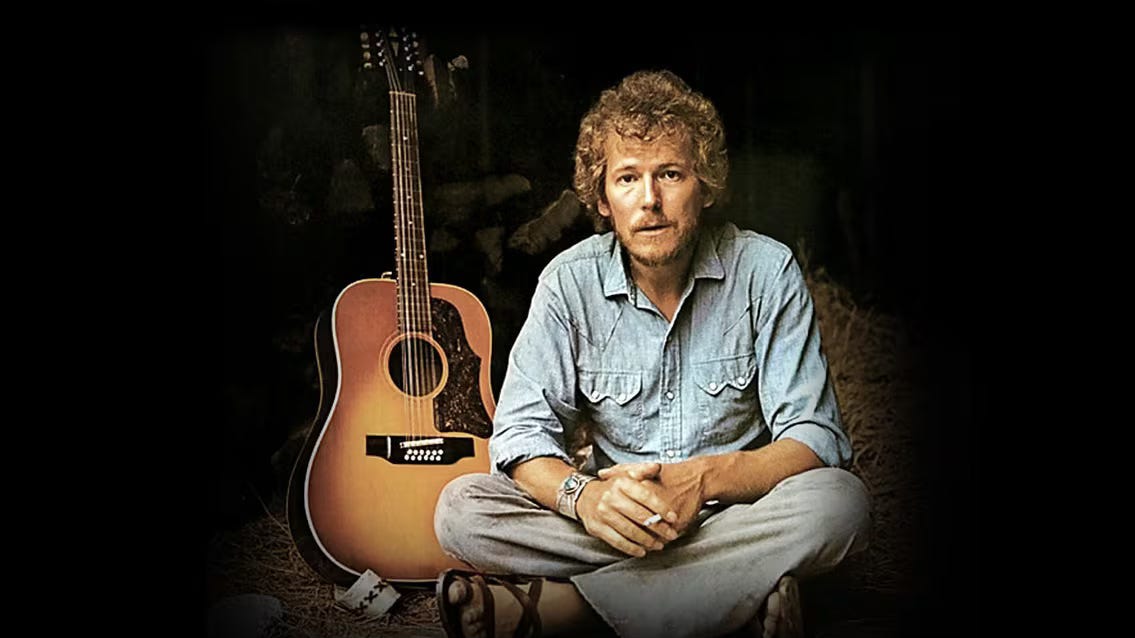
1974: Gordon Lightfoot, the legendary Canadian singer-songwriter from Orillia, Ontario, releases his ninth studio album, “Sundown.” Lightfoot would quietly release 21 studio albums throughout his career, but only “Summertime Dream” in 1976 matched the popularity and success of “Sundown,” selling one million copies. That album included arguably Gord’s second-most famous song, “The Wreck of the Edmund Fitzgerald.”
“Sundown” was a transition for Lightfoot, marking the apex of his country-folk roots as he began to introduce electric instruments into his arrangements, including a Moog synthesizer on “Seven Island Suite” and “Is There Anyone Home.”
With the title track reaching No. 1 on both the Billboard Hot 100 and the Canadian RPM Top Singles chart, and the second single, “Carefree Highway” placing No. 10, the album itself peaked at No. 1 on the Billboard 200 and the Canada Top Albums chart. Certifications of the album as Platinum by the RIAA are hard to confirm, but sales-tracking website BestSellingAlbum.org lists the record as shipping one million units.
The Daily Elvis
1961: Elvis signed a five-year contract with producer Hal Wallis to make one film per year, which resulted in the movies Blue Hawaii, Girls! Girls! Girls!, Fun in Acapulco, Roustabout, and Paradise, Hawaiian Style. Elvis actually starred in 16 movies during that period, but only five produced by Wallis.
Pictured: Gordon Lightfoot in the photo that would be the cover for “Sundown,” 1974.